
Atmospheric Science
Analysis of meteorological patterns, climate trends, and the physical processes governing the Earth's atmosphere.
Atmospheric Dynamics as a Global Laboratory
From the turbulent boundary layer to the edge of space, the atmosphere acts as both a veil and a dynamic laboratory.

Atmospheric Dynamics and Fluid Precision
From the turbulent boundary layer to the edge of space, the atmosphere acts as both a filter and a fluid, requiring constant, precise calibration to understand.
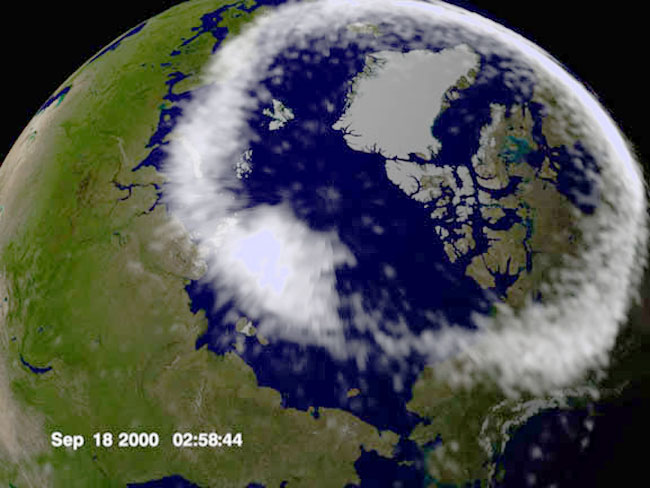
Atmospheric Patterns in Algorithmic Analysis
From the aerosol-laden troposphere to the distant spectra of exoplanets, our understanding of the air we breathe is a constant negotiation between observation and algorithmic correction.
Particles in the Path of Light
From the localized turbulence of wind farms to the global reach of satellite monitoring, we are learning to read the atmosphere as a complex, reactive system.
Atmospheric Signals Across Distant Worlds
From the haze of the Sichuan Basin to the ammonia-rich clouds of distant exoplanets, our understanding of the atmosphere is a constant struggle to separate signal from noise.
Atmospheric Mechanics: A Study of Invisible Forces
From the chemistry of distant gas giants to the microscopic mechanics of ship exhaust, the atmosphere remains a fluid, elusive subject of study.
Atmospheric Currents Measured
From the microscopic physics of ship exhaust to the grand circulation of the stratosphere, our understanding of the air is defined by the tools we build to measure its invisible currents.
Atmospheric Science Through Precision Instruments
From the laser-guided clarity of ground-based telescopes to the chemical signatures of global shipping, our understanding of the air remains a work of constant calibration.
Atmospheric Pressure and Climate Dynamics
Atmospheric science reveals a world where the smallest particles and the largest pressure systems dictate the rhythm of our climate.
Atmospheric Mechanics of a Changing Climate
From the microscopic dance of aerosols to the planetary scale of storm tracks, our atmosphere operates as a complex, self-correcting machine that we are only beginning to master.
Atmospheric Control and Modern Science
From the invisible movement of particles to the deliberate steering of storm systems, modern atmospheric science is redefining our relationship with the air.
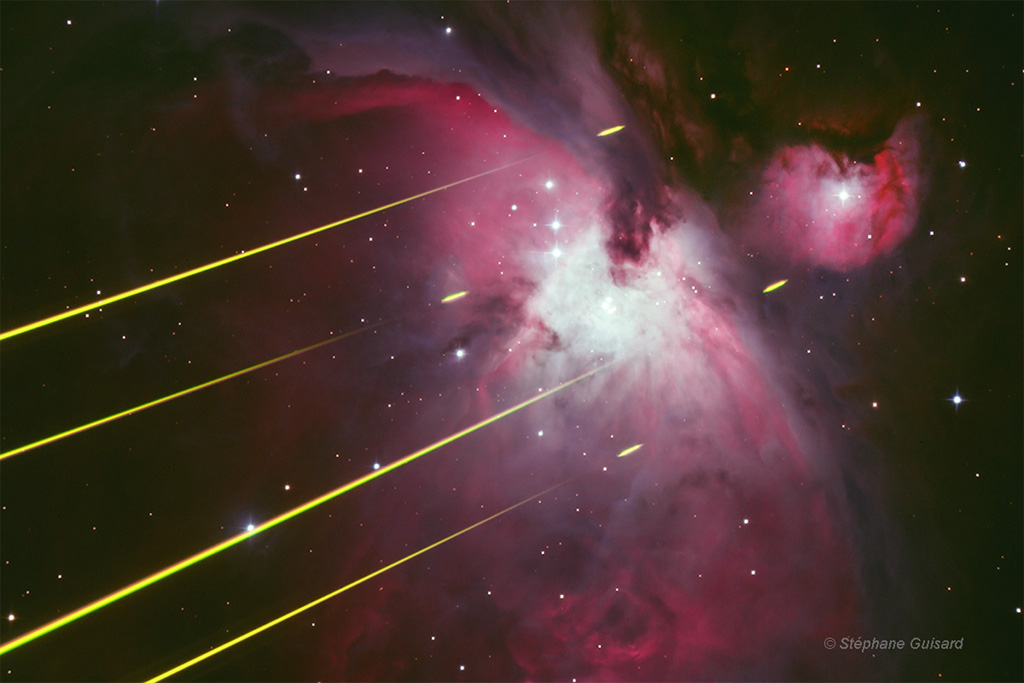
Atmospheric Modeling Through Physics and Data
From the turbulent clouds above our heads to the chemical signatures of distant planets, our grasp of the atmosphere depends on the marriage of physical theory and computational precision.

Atmospheric Dynamics Measured Through Computational Models
New computational models and observational data are reshaping our understanding of the atmosphere, from the micro-physics of clouds to the gravitational influence on global wind patterns.