Atmospheric Dynamics and Fluid Precision
From the turbulent boundary layer to the edge of space, the atmosphere acts as both a filter and a fluid, requiring constant, precise calibration to understand.
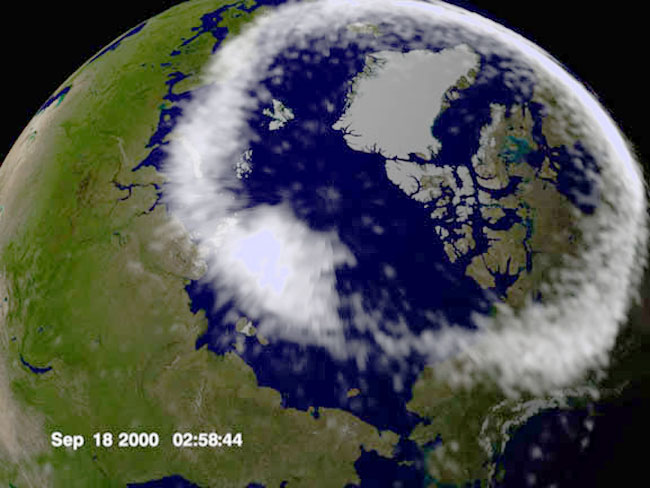
A Veil of Air
The Earth's atmosphere is a complex, layered filter that dictates what we can see of the universe and how we live within it. From the ground, the air acts as a veil, blurring the light of distant stars through the density and motion of its gases. This is why observatories like Hubble are placed in orbit; they must escape the scattering effects of the troposphere to resolve fine details. Yet, even within this lower layer, the atmosphere is a turbulent, active participant in the energy balance of the planet. It is a medium where aerosols—dust, sea salt, and black carbon—circulate in vast, visible plumes, and where the transition from day to night is marked not by a sharp line, but by a diffuse, reddened terminator.
The atmosphere is not a static container but a dynamic, shifting medium that demands constant recalibration of our instruments.
Calibration and Correction
To measure the composition of this air, scientists rely on geostationary satellites like the GEMS instrument. These platforms provide hourly snapshots of pollutants such as nitrogen dioxide and formaldehyde. However, the accuracy of these readings depends on the alignment of ground-based validation tools like Pandora and MAX-DOAS. When viewing geometries are matched, the correlation between satellite and ground data improves significantly. Even then, biases persist; GEMS often reports higher values than ground sensors, particularly in polluted conditions. Refining these algorithms requires moving beyond simple models to account for cloud fractions and stratospheric chemistry, ensuring that the data reflects the reality of the air we breathe.
The Mechanics of Storms
Beyond local pollution, the atmosphere organizes itself into massive, hazardous structures known as mesoscale convective systems. These collections of thunderstorms modulate the global energy balance, yet their formation remains a challenge to simulate. Recent research suggests that total column water vapor and moisture flux convergence are key predictors for these storms. By identifying these environmental signatures, researchers can better understand the natural length scales—between 200 and 500 kilometers—that dictate where and when these systems emerge. This shift toward understanding the environment as a set of trigger conditions is essential for improving climate models.
Large-scale weather systems are not merely random occurrences but are governed by specific environmental triggers that we are only beginning to map with precision.
Trapped by the Weather
The stability of the boundary layer is often at the mercy of synoptic patterns, as seen in the Sichuan Basin. Here, specific pressure systems can trap aerosols, creating persistent winter pollution. Clouds play a dual role, reducing solar radiation through reflection while simultaneously altering the vertical temperature structure of the air. This interaction between aerosol radiation and cloud inhibition can reduce boundary layer height by half, effectively locking pollutants near the surface. Understanding these feedback loops is critical, as they demonstrate how large-scale circulation patterns directly influence the air quality of specific regions.
Intervention and Observation
As we look toward the future, the atmosphere is also a subject of potential human intervention. Proposals for sulfate injection geoengineering aim to counteract warming, but the consequences for particulate matter are complex. While such measures might reduce global surface PM2.5 by slowing wind speeds and increasing soil moisture, they also shift the composition of the air, potentially increasing secondary organic aerosols. Meanwhile, our search for atmospheres on distant planets reminds us of the fragility of our own. Observations of exoplanets like LHS 1140 b show that detecting an atmosphere is fraught with difficulty, as stellar variability can easily mimic the signatures of planetary escape. Whether studying the Earth or the stars, we are learning that the atmosphere is a signal that must be carefully separated from the noise.
The Wind as a Sensor
Even the wind itself serves as a sensor. Large-scale wind farms, interacting with the turbulent boundary layer, act as arrays that capture the spatio-temporal structure of the air. By applying models of fluid dynamics to the power fluctuations of these turbines, engineers can extract information about the inertial-range turbulence of the atmosphere. This ability to treat infrastructure as a diagnostic tool highlights a broader trend in atmospheric science: moving from passive observation to an integrated, data-driven understanding of the air as a fluid system.