
Space Exploration
Reports on current missions, technological advancements, and scientific discoveries regarding the study of outer space.
Engineering Beyond Earth
From the salt-crusted craters of Ceres to the turbulent clouds of distant gas giants, our reach into the void is defined by the tools we build to survive it.
Deep Space Engineering and Exploration
From the salt-crusted craters of Ceres to the gas-shrouded depths of hot Jupiters, our reach into the void is defined by a relentless refinement of how we see, move, and survive.
Solar Systems Under Autonomous Scrutiny
As space exploration pivots from singular, heavy missions to autonomous swarms and high-precision monitoring, our relationship with the solar system is becoming more intimate and more demanding.
Beyond the Heavy Launch
From the cold precision of lunar basalt to the theoretical reach of solar sails, the tools of exploration are shifting from heavy, singular craft to agile, autonomous systems.
Cosmic Scales and Human Inquiry
From the microscopic chemistry of interstellar clouds to the navigation of asteroids, the reach of human inquiry extends across scales that defy intuition.
Cosmic Precision in Modern Space Exploration
From the ice-bound chemistry of distant clouds to the calculated navigation of asteroid surfaces, modern space exploration is defined by a shift toward precision, autonomy, and the granular study of the cosmos.
Precision Metrics in Space Exploration
From the chemical secrets of molecular clouds to the navigation of asteroids, the pursuit of space science is a study in incremental precision.
Cosmic Precision and Space Exploration
From the chemical signatures of distant molecular clouds to the navigation of asteroids, the modern practice of space exploration is defined by a new, exacting scale of observation.
Cosmic Inventory of Celestial Debris
From the ice-bound cradles of distant stars to the debris of our own neighborhood, we are cataloging the building blocks of the cosmos.
Cosmic Measurement and Celestial Origins
From the precise mapping of our own planet to the chemical signatures of distant star-forming clouds, our reach into the cosmos remains tethered to the rigors of measurement.
Cosmic Inventories: Precision in the Void
From the icy chemistry of distant molecular clouds to the mechanical relics left on the lunar surface, our reach into the void remains a study in persistence and precision.
Cosmic Frontiers: Mapping the Unknown Void
From the molecular dust of the Chamaeleon cloud to the cold silence beyond the heliopause, our reach into the void is defined by a relentless inventory of the unknown.
Cosmic Inventory of Cold Spaces
From the microscopic chemistry of interstellar ice to the vast, cold reaches of the circumgalactic medium, our presence in the cosmos is defined by a persistent, methodical inventory of the unknown.
Cosmic Inventory of Measured Voids
From the icy nurseries of distant stars to the salt-crusted surface of a dwarf planet, our reach into the cosmos is defined by what we choose to measure.
Orbital Sentinels Mapping the Cosmic Void
From the lunar far side to the edge of the cosmic web, our presence in the void is defined by a persistent, mechanical curiosity.
Sensor Data Across the Cosmic Void
From the shock waves of the solar wind to the salty crust of a dwarf planet, the history of exploration is written in the data we gather from the void.
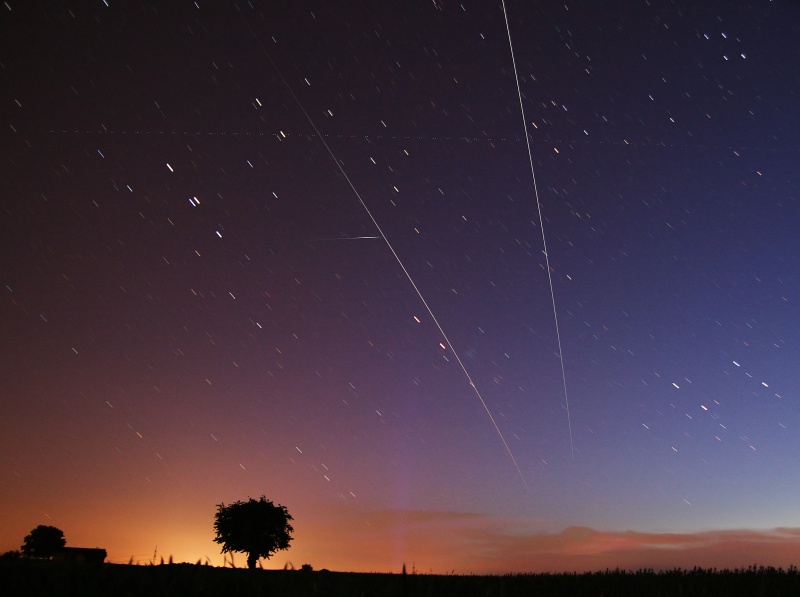
Void Observatories: Mapping the Cosmic Fringe
From the lunar far side to the edge of the heliosphere, our reach into the dark is defined by the tools we build to witness it.
Mapping the Unseen Universe
From the far side of the Moon to the outer reaches of the heliosphere, our instruments and explorers are mapping the unseen mechanics of the universe.
Precision Instruments Exploring Cosmic Scale
From the local shock of the solar wind to the distant lensing of galaxies, our understanding of the universe relies on the persistent refinement of the tools we cast into the dark.
Instrument Design for Endless Deep Space Exploration
Beyond the spectacle of launch, the history of exploration is defined by the steady, iterative refinement of the tools we use to interrogate the void.
Beyond the Horizon of the Known
From the early days of lunar photography to the future of synthetic biology, the effort to understand the cosmos remains a study in human persistence.
Cosmic Ambition and the Limits of Reach
From the bending of light by distant galaxies to the cultivation of fungi for Martian shelters, our presence in the cosmos is defined by a relentless, if imperfect, ambition.