
Observational Astronomy
Reports and data regarding celestial phenomena observed through ground-based and space-borne telescopes.
Invisible Light Patterns in Modern Astronomy
Modern astronomy no longer relies on the simple act of looking, but on the painstaking reconstruction of signals that the human eye was never meant to perceive.
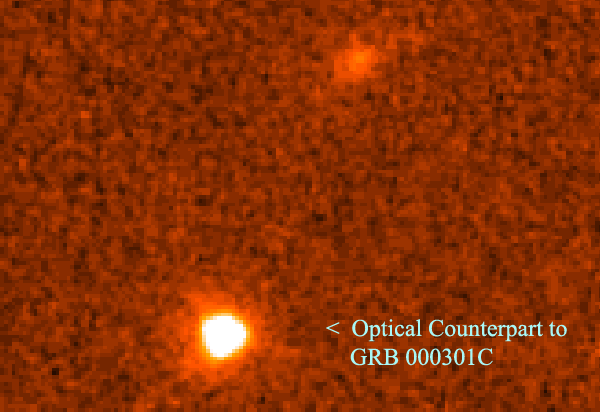
Beyond the Aperture
By synthesizing data across the electromagnetic spectrum, modern astronomy is moving beyond simple snapshots to map the complex, hidden dynamics of the cosmos.
Cosmic Signals and Stellar History
From the first light of the early universe to the turbulent surfaces of nearby stars, the history of the cosmos is written in signals that require both ingenuity and immense technical precision to decode.
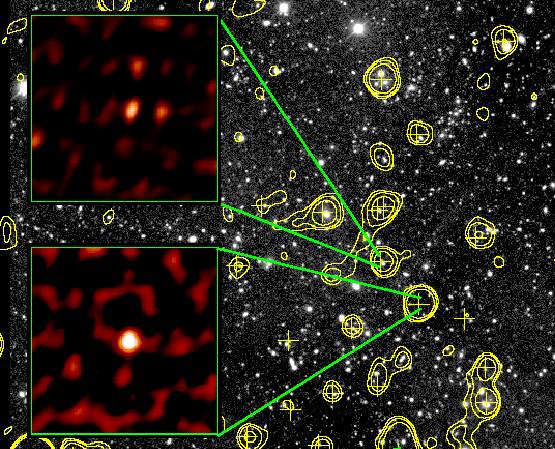
Light Spectrum Dynamics in Space
By synthesizing light across the spectrum, astronomers are moving past simple snapshots to map the hidden dynamics of a restless universe.
Cosmic Observation Through Precision Instruments
From the surface of a red supergiant to the edge of the observable universe, our view of the cosmos is defined by the tools we use to filter the noise.
Signals from the Dark
From the chemical signatures of ancient stars to the detection of high-energy neutrinos, modern astronomy is redefining the limits of what we can know about the cosmos.
Cosmic Synthesis Through Digital Arrays
Modern astronomy is less a matter of looking and more a matter of synthesis, weaving disparate signals into a coherent map of the invisible.
Cosmic Light Mapping
Modern observational astronomy relies on a delicate synthesis of light, calibration, and the patient mapping of the invisible.

Light in the Dark
Astronomy has moved from merely capturing photons to orchestrating a multi-messenger dialogue with the cosmos.