Avian Transformation and Hidden Ecosystems
From the seasonal molts of the woodstar to the intricate bowers of the Australian rainforest, the study of birds reveals a world of constant, often hidden, transformation.
The Variable Plumage of the Woodstar
For decades, the woodstar hummingbirds of the Americas remained elusive to researchers, largely because their presence in museum collections was sparse. This scarcity created a static understanding of their biology, trapping them in the singular image of the iridescent-throated breeding male. However, recent analysis of user-uploaded photographs from the Macaulay Library has provided a corrective lens. By tracking the plumage shifts of five species—including the Slender-tailed Woodstar and the Peruvian Sheartail—ornithologists have identified a distinct, drab nonbreeding phase. This seasonal molt, which replaces brilliant throat feathers with duller plumage, suggests that these birds cycle through physiological states that were previously overlooked by collectors who favored the flashier breeding specimens.
The transition from iridescent display to drab camouflage suggests a life history far more fluid than museum specimens once implied.
The View from the Field
The history of ornithology is as much a story of the people who watched as it is of the birds themselves. Nina Demme, a Soviet explorer who navigated the harsh realities of the Arctic in the early twentieth century, represents a generation of scientists who integrated biology with the logistics of survival. Her work, which spanned from mapping the Severnaya Zemlya archipelago to researching the commercial potential of northern fauna, highlights the necessity of long-term, on-the-ground observation. Unlike the armchair naturalists of earlier centuries, researchers like Demme and modern citizen scientists emphasize that understanding a species requires witnessing its life across seasons and climates, rather than relying on a single, preserved moment in time.
The Architecture of the Bower
In the forests of Australia, the bowerbirds offer a different kind of complexity. While the green catbird maintains a monogamous bond and eschews the construction of a bower, its relative, the spotted bowerbird, engages in an elaborate, polygynous ritual of architecture and decoration. These males construct avenue-bowers of twigs and grass, meticulously arranging shells, bones, and even man-made debris like foil or glass to attract females. This behavior, which can persist at traditional sites for decades, serves as a high-stakes indicator of male quality. The geographic variation in these collections suggests that female preference is not universal, but rather a localized, evolving standard of beauty.
The bower is not merely a nest; it is a curated stage, a collection of objects that speaks to the aesthetic preferences of a mate.
The Hidden Interdependencies
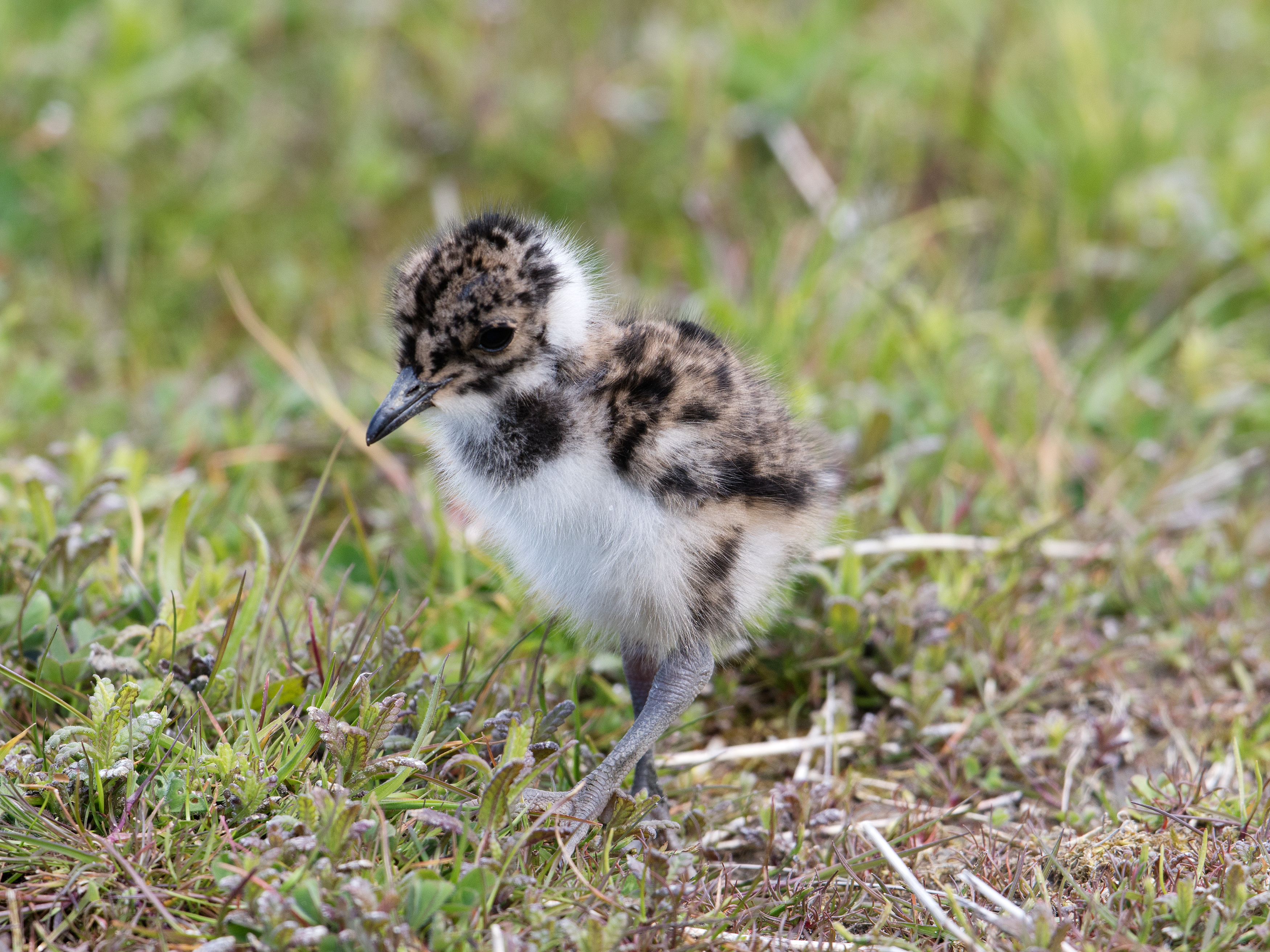
Ornithology extends beyond the birds themselves to the intricate web of life they support. The large duck louse, Trinoton querquedulae, serves as a reminder that every avian host carries its own ecosystem. Records of these parasites on species ranging from the Northern Lapwing to various ducks illustrate the deep, often invisible links between host and inhabitant. These associations are not merely biological curiosities; they provide data points that help researchers map the movements and interactions of birds across vast, often transcontinental, ranges. Whether through the migration of a lapwing or the host-specific survival of a louse, the study of birds remains a study of connectivity.
The Evolving Record
The tools of the trade have shifted from the ink-and-quill sketches of Robert Ridgway to the digital archives of the modern era. As researchers like Katrin Böhning-Gaese and writers like Helen Macdonald continue to interpret the avian world, the focus has moved toward synthesis—connecting the granular details of feather molts and parasite loads to the broader patterns of ecology and conservation. The field is no longer defined by the accumulation of specimens, but by the interpretation of behavior, phenology, and the complex, often fragile, relationships between birds and their changing environments.