Climate Change as Our New Reality
Climate change is not a problem to be solved, but an environment we now inhabit.
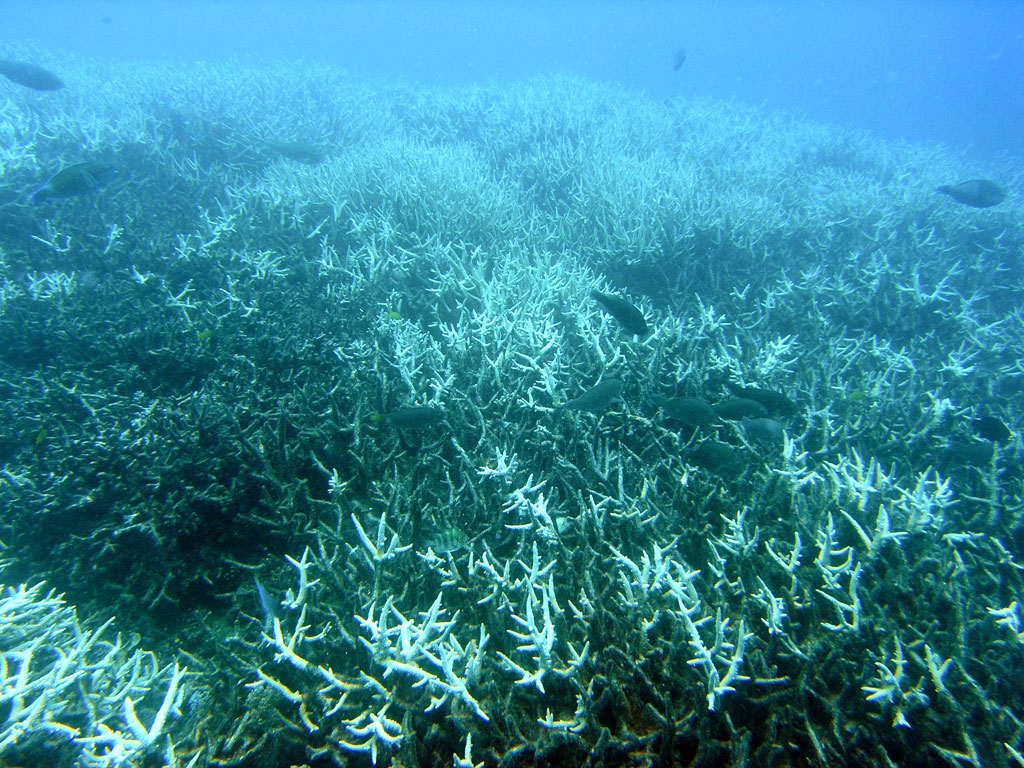
The Scale of the Invisible
We often speak of climate change as a future threat or a distant consequence, yet it is already a pervasive, non-local entity. Philosopher Timothy Morton describes such phenomena as hyperobjects—things so massively distributed in time and space that they transcend our ability to point to a single origin or end. Whether it is the accumulation of carbon in the Southern Ocean or the subtle warming of a desert climate, the effects are everywhere and nowhere at once, defying the traditional boundaries of human observation.
We are living inside the consequences of our own industrial history.
A Warming Ledger
The mechanics of this change are rooted in the energy systems that underpin modern life. Fossil fuels, while foundational to economic growth, have acted as a slow-acting poison, releasing greenhouse gases that trap heat and alter atmospheric chemistry. The transition to renewable energy is not merely a technical upgrade but an attempt to decouple human development from environmental degradation. Yet, as current research suggests, the shift remains insufficient to meet global demand, leaving us to rely on emerging technologies and international policy to bridge the gap between our current carbon-heavy reality and a sustainable future.
The Fragility of Systems
The environmental toll is most visible in the destabilization of ecosystems that have long operated within predictable parameters. In the Middle East and North Africa, the shift toward more frequent and severe drought is a direct manifestation of rising temperatures, captured by indices that account for the drying effects of heat. Similarly, high-mountain regions are witnessing a transformation in glacial hazards; while the total number of incidents may fluctuate, the nature of these disasters—from outburst floods to debris flows—reflects a landscape responding to a climate that no longer behaves as it did in the mid-twentieth century.
Forests, too, are signaling a profound distress. Global assessments of tree mortality reveal that heat and drought are pushing ecosystems beyond their physiological limits. This is not just a loss of timber or habitat; it is the unraveling of a carbon-sequestering mechanism that we rely on to mitigate the very warming causing the damage, creating a feedback loop that is increasingly difficult to break.
The natural world is no longer a stable stage upon which human history unfolds.
The Feedback Loop of Agriculture
Agriculture, the bedrock of human civilization, has become both a victim and an engine of climate change. As the climate shifts, the productivity of our food systems is threatened by soil erosion, the expansion of pest ranges, and the reduced efficacy of agrochemicals. This creates a dangerous cycle: as we intensify farming to feed a growing population, we increase greenhouse gas emissions, which in turn further destabilizes the climate. The challenge is to move toward resilient systems, yet the sheer scale of the environmental impact makes this one of the most daunting tasks of the coming century.
Measuring the Abyss
To understand the extent of this change, we are increasingly reliant on high-resolution data and machine learning. From the Southern Ocean, where autonomous floats track the uptake of anthropogenic carbon, to global ocean heat content estimations, our ability to monitor the climate is improving. These tools provide the necessary, if sobering, metrics to assess our progress. However, as the retraction of flawed research reminds us, the scientific record itself is a site of constant struggle, requiring rigorous validation to ensure that our understanding of the crisis remains grounded in reality rather than aspiration.