Climate Change as a Distributed Reality
Climate change is not a distant threat but a pervasive, distributed reality that reshapes the biological and physical foundations of our world.
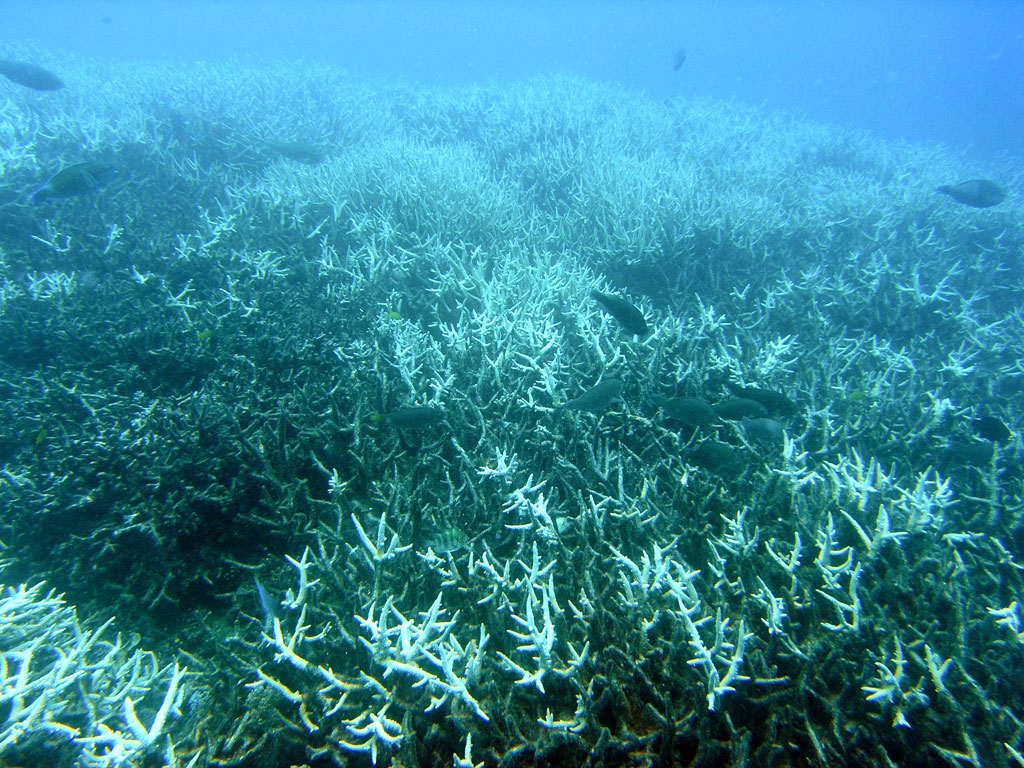
A Distributed Reality
Climate change occupies a peculiar position in human perception. It is a phenomenon so vast and temporally extended that it defies our standard methods of measurement. Philosopher Timothy Morton describes such entities as hyperobjects—things so massively distributed in time and space that they transcend the possibility of being pinned to a single location. Whether it is the slow accumulation of heat in the deep ocean or the chemical shifts in the atmosphere, these processes are everywhere and nowhere at once, exerting influence on everything from the smallest coral polyp to the largest mountain range.
Climate change is a phenomenon so vast that it defies our standard methods of measurement.
The Feedback Loops of Agriculture
The impact of a warming planet is rarely a linear progression. In the agricultural sector, climate change acts as a powerful amplifier, creating a self-reinforcing cycle. As temperatures rise and weather patterns become erratic, crop productivity falters, soil erosion accelerates, and the range of pests expands. These shifts force a greater reliance on agrochemicals, which in turn contribute to further greenhouse gas emissions. This feedback loop threatens the stability of food systems that were designed for a climate that no longer exists, turning the very act of feeding a growing population into a driver of environmental degradation.
Drought and the Disappearing Ice
The physical landscape is undergoing a profound metamorphosis. In the Middle East and North Africa, the shift toward more frequent and severe drought conditions since the late 1990s has been driven by rising air temperatures, a trend captured more accurately by indices that account for evapotranspiration. This is not merely a matter of rainfall deficit; it is the atmosphere itself becoming more efficient at stripping moisture from the earth.
Similarly, in the high mountain ranges of Xinjiang, the relationship between climate and disaster has shifted. While the number of glacial hazards has decelerated since the turn of the century, the nature of these events has changed. Glacier surges and debris flows have become more frequent in specific regions, posing direct threats to infrastructure and mountain communities. Temperature, rather than precipitation, remains the primary engine of this volatility.
The atmosphere is becoming more efficient at stripping moisture from the earth.
The Fragility of Symbiosis
Marine ecosystems offer perhaps the most visible evidence of this systemic stress. Coral reefs, which rely on a delicate symbiotic relationship with zooxanthellae, are highly sensitive to thermal fluctuations. When ocean temperatures spike, the coral expels its algae, leading to bleaching and, if the stress persists, starvation. This is not an isolated event but a global pattern of mortality that threatens the biodiversity of the oceans and the livelihoods of those dependent on reef health. As the ocean continues to absorb the bulk of the energy trapped by the Earth’s energy imbalance, the pressure on these ecosystems is expected to intensify.
Mapping the Risks
To navigate these changes, scientists have developed tools to visualize the escalating danger. The IPCC’s 'burning embers' diagrams provide a synthetic view of how risks to human and natural systems climb as global temperatures rise. These assessments show that for many systems, the transition from moderate to high risk occurs within a narrow window of warming. Moving forward, the challenge lies in standardizing this data to better account for adaptation and the complexities of regional vulnerability, ensuring that our understanding of the crisis keeps pace with the speed of its arrival.
The Transition Mandate
Addressing these challenges requires more than incremental adjustment; it demands a fundamental shift in energy systems. While renewable sources like solar, wind, and hydrogen are essential for reducing emissions, they currently struggle to meet global demand. The path forward involves not just the adoption of new technologies, but the integration of artificial intelligence to manage energy efficiency and the alignment of international policy to ensure a coordinated response. The goal is a total transition away from the nonrenewable energy sources that have defined the industrial era, replacing them with systems that do not treat the environment as an infinite sink for waste.